
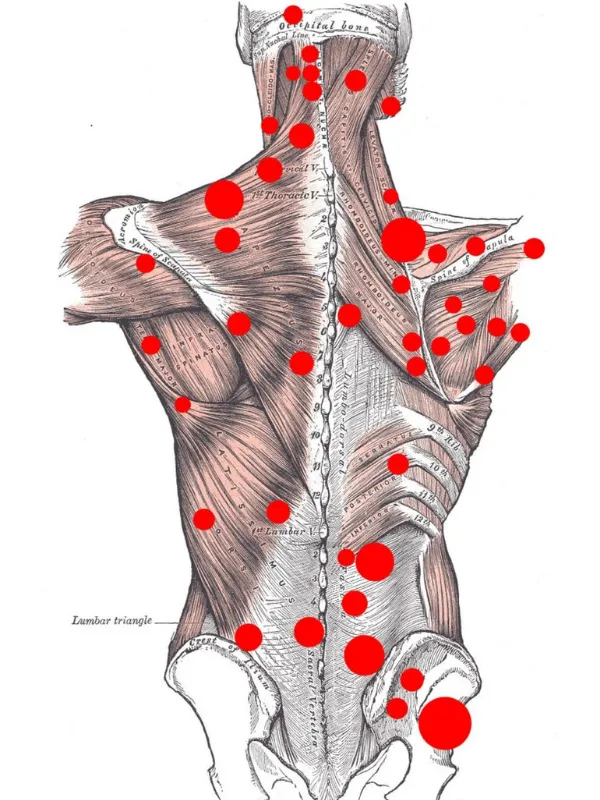
Trigger Point Therapy in Tweed Heads
That persistent ache in your shoulder that never quite goes away. The tension headache that keeps coming back. The upper back tightness that no amount of stretching seems to shift. In many cases, the source of the problem isn't where the pain is felt — it's a trigger point somewhere else in the muscle chain.
Health Fund Rebates Available
Wednesday to Saturday
Tweed Heads South
What Is Trigger Point Therapy?
A trigger point is a hyperirritable spot within a muscle — a small, contracted knot of tissue that causes local pain and, importantly, referred pain in a predictable pattern elsewhere in the body.
This referred pain is why trigger point problems are so commonly misunderstood. You feel pain in your neck, but the trigger point driving it sits in your upper back. You feel pain down your arm, but the source is in your shoulder. Treating the site of pain without locating the trigger point producing it rarely produces lasting change.
Trigger point therapy uses sustained, targeted pressure directly on these points to release the contraction, restore normal muscle function, and resolve the referred pain pattern. It's precise, purposeful work — not general pressure across a broad area.
What Trigger Point Therapy Can Help With
Chronic neck, shoulder, and upper back tension
Tension headaches and cervicogenic headaches
Referred pain patterns down the arm or leg
Sciatic-like symptoms driven by glute and piriformis trigger points
Jaw pain and TMJ-related tension
Hip and lower back pain with no clear structural cause
Persistent muscle tightness that returns shortly after regular massage
Forearm and wrist tension in manual workers and desk workers
What to Expect at Your Session
Assessment first. James begins every session with a posture and range of motion assessment. For trigger point work this matters more than most — because the pain site and the problem site are often different, understanding your movement patterns and symptom history helps locate where treatment needs to focus.
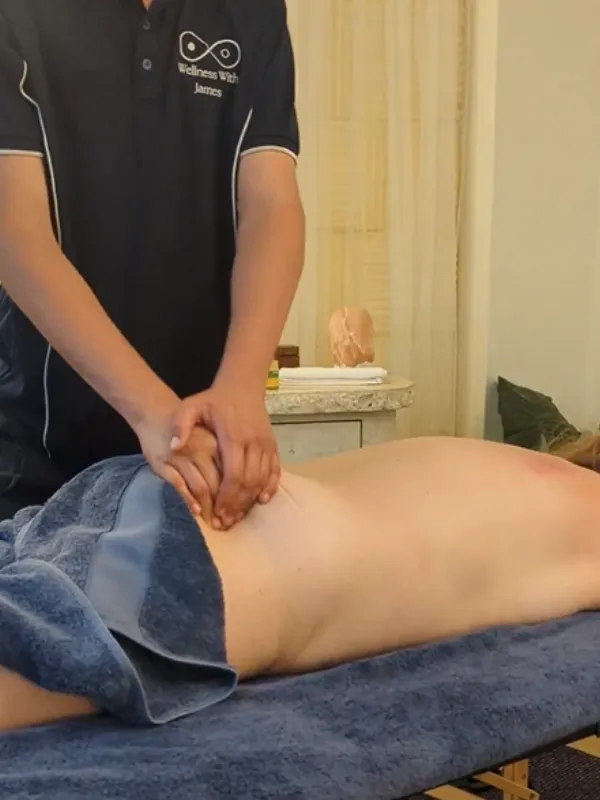
Treatment. Once the relevant trigger points are identified, James applies direct, sustained pressure to each point. You'll likely feel a recognisable reproduction of your familiar pain pattern — that's a sign the right spot has been found. The pressure is held until the point releases, which typically takes several seconds. The sensation is firm and can feel intense, but should not be sharp or alarming. Most clients describe it as a productive discomfort — uncomfortable in a way that clearly leads somewhere.
Aftercare. Some localised soreness in the treated areas is normal for 24–48 hours following a session. James will give you specific aftercare guidance, and may recommend stretches or movement patterns to help maintain the release between sessions.
Is Trigger Point Therapy Right for You?
If you have pain that keeps returning to the same location, or pain that you feel in one area but suspect is being driven by tension somewhere else, trigger point therapy is likely a good fit. It's particularly effective for clients who have had regular massage without lasting results — because the underlying trigger points haven't been specifically addressed.
It's also worth knowing that trigger point therapy is rarely offered as a standalone session. James integrates it into treatment alongside other appropriate techniques — remedial massage, myofascial release, or dry needling — based on what your body needs that day.
Manual Release and Dry Needling — Two Tools, Same Target
Trigger points can be treated manually — using sustained hand pressure — or with dry needling, which uses a fine sterile needle to produce a local twitch response in the contracted tissue. Both approaches work. Dry needling can reach trigger points that are difficult to access manually and often produces a faster release in deep or stubborn points.
James is certified in myofascial dry needling (VU21879) and will recommend the most appropriate approach based on your presentation. If dry needling is relevant for your situation, he'll explain what to expect before proceeding. See the Dry Needling page for more detail.
Private Health Fund Rebates
James is a registered member of the Australian Natural Therapists Association (ANTA). Trigger point therapy delivered as part of a remedial massage session may be claimable on your private health insurance extras cover, depending on your fund and level of cover. Rebates are processed on the spot at the clinic.
Related Services

The broader clinical framework that deep tissue technique sits within. If you're unsure which to book, remedial massage is the right starting point.

Manual trigger point release using sustained hand pressure rather than needles. An alternative for clients who prefer to avoid needling, or used alongside it within the same session.
Suction-based treatment that lifts rather than compresses tissue. Works well alongside myofascial release for fascial restrictions across larger areas.

Book Remedial Massage Therapy in Tweed Heads
Ready to book? Select your session below and choose a time that suits you. It only takes a minute.