
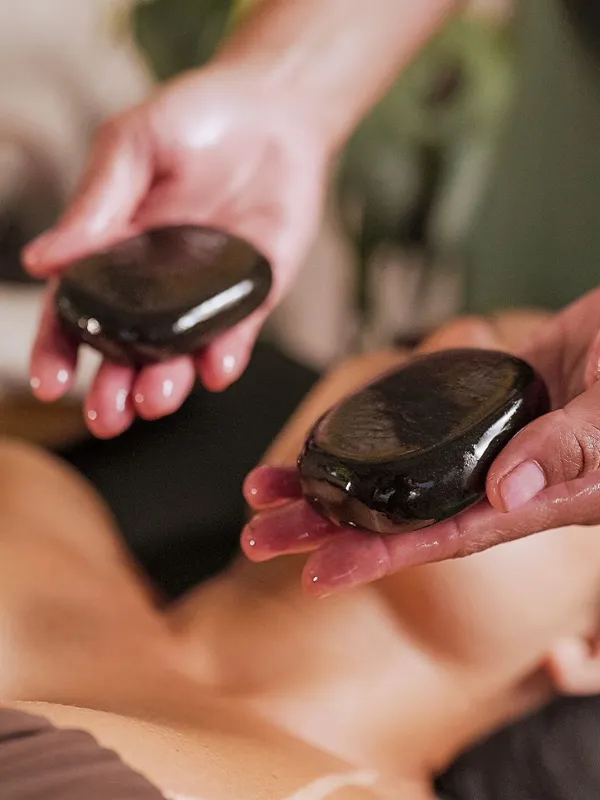
Hot Stone Massage in Tweed Heads
Some muscle tension sits too deep for hands alone to reach quickly. Heat changes that. Heated stones applied to the body relax muscle tissue at a level that takes significantly longer to achieve through pressure alone — making the hands-on work that follows more effective and the overall experience more restorative.
Hot stone massage is not purely a relaxation treatment. At Wellness With James it's a therapeutic tool, used deliberately to get more from a session.
Health Fund Rebates Available
Wednesday to Saturday
Tweed Heads South
What Is Hot Stone Massage?
Hot stone massage uses smooth basalt stones — a dense volcanic rock that retains heat evenly — warmed to a therapeutic temperature and applied to specific areas of the body before and during massage.
The heat penetrates into the muscle tissue, increasing circulation, softening fascial tension, and allowing a depth of relaxation that hands alone take much longer to produce. James uses the stones both as placement tools — resting on key areas while he works elsewhere — and as an extension of his hands during the massage itself, gliding them through the tissue with the same intention as a manual stroke.
The result is a session that feels both deeply physical and genuinely restorative. Muscles that would typically require sustained firm pressure to release respond more readily, more quickly, and with less discomfort.
What Hot Stone Massage Can Help With
Chronic muscle tension that responds well to heat
Stress and a nervous system that rarely fully switches off
Poor circulation and cold-held tension, particularly in the back and legs
Generalised fatigue and physical depletion
Stiffness and restricted movement in the shoulders, back, and hips
Clients who find deep pressure uncomfortable but need more than light work
Winter months — when cold muscles hold tension more stubbornly
What to Expect at Your Session
A brief check-in. James will confirm your current physical state, any areas of particular tension or sensitivity, and your preference for pressure. Heat sensitivity varies between clients — stone temperature is always checked and adjusted to your comfort before any application.
Treatment. Warmed stones are placed along the back, between the toes, or in the palms while James works on surrounding areas. As the session progresses, stones are used directly in the massage — gliding across the back, shoulders, and legs with deliberate, unhurried strokes. The combination of heat and movement creates a layered effect that most clients find immediately and deeply settling.
Aftercare. The circulatory effect of heat means hydration matters more after a hot stone session than a standard massage. Most clients feel a pleasant heaviness and warmth that lingers for several hours. Avoiding strenuous activity for the remainder of the day helps maintain that state.
Is Hot Stone Massage Right for You?
Hot stone massage suits clients who carry deep, persistent tension and respond well to warmth — particularly in the back, shoulders, and legs. It's a strong option for clients who find firm pressure uncomfortable but need more than light touch to shift the tension they're carrying.
It's also well suited to the colder months, when muscles hold tension more stubbornly and the body benefits from warmth as much as from manual work.
Hot stone massage is not recommended for clients with certain circulatory conditions, diabetes, skin sensitivities, or during pregnancy. If you have any of these, check with James before booking and he'll advise on the most appropriate treatment.
Private Health Fund Rebates
James is a registered member of the Australian Natural Therapists Association (ANTA). Remedial massage treatments, including lymphatic drainage, may be claimable on your private health insurance extras cover depending on your fund and level of cover. Rebates are processed on the spot at the clinic or through a receipt submitted to your health fund.
Related Services
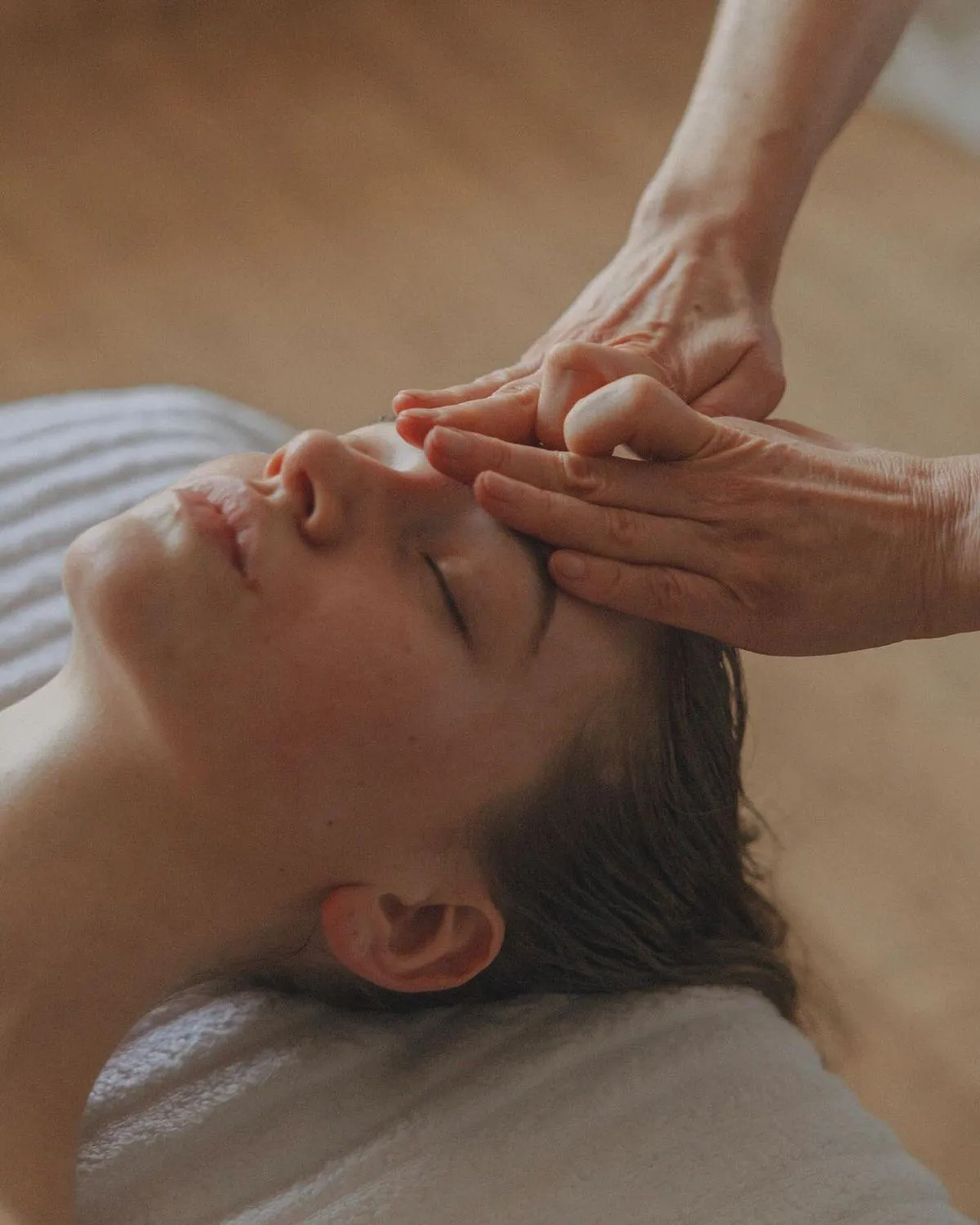
Full-body treatment using slow, flowing strokes to calm the nervous system and reduce muscular tension. A natural alternative to hot stone massage for clients seeking restoration without heat.
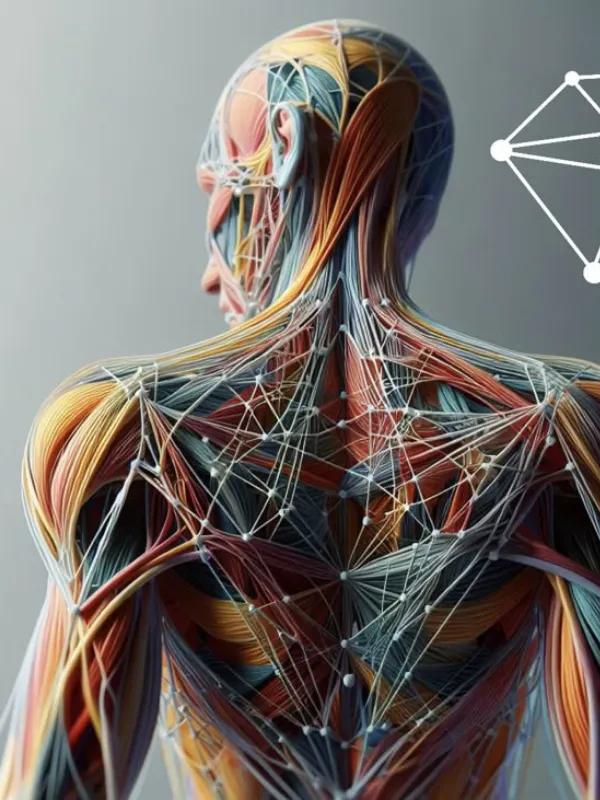
Assessment-based clinical treatment targeting specific muscular tension, pain, and restricted movement. Hot stone techniques can be incorporated into remedial sessions where heat will enhance the outcome.
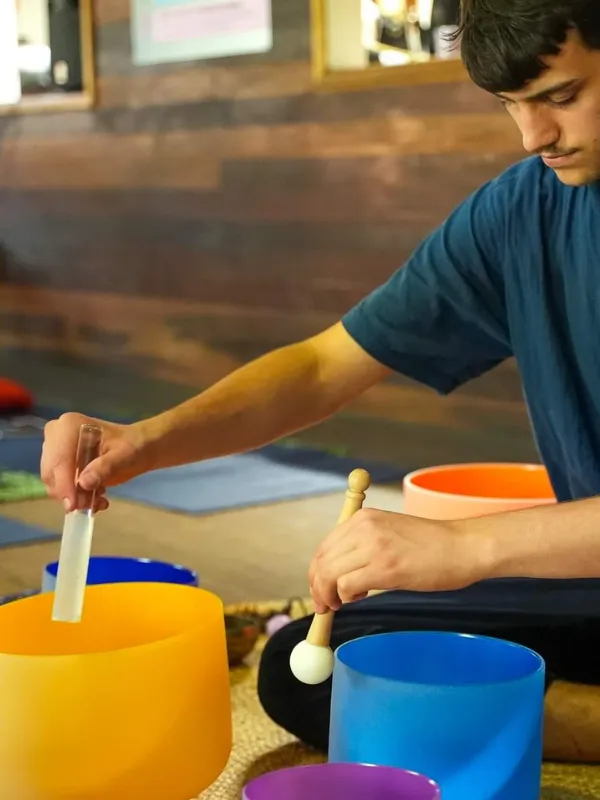
Deeply restorative session using Tibetan bowls, crystal bowls, gong, and other instruments to support nervous system regulation and genuine rest. A natural complement to hot stone massage for clients seeking a fully immersive restorative experience.

Book Remedial Massage Therapy in Tweed Heads
Ready to book? Select your session below and choose a time that suits you. It only takes a minute.