
Dry Needling in Tweed Heads
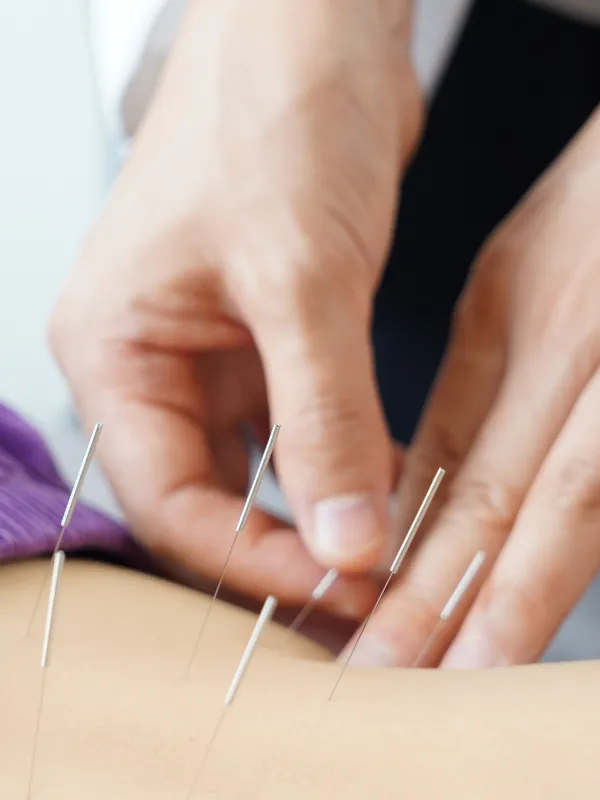
If you have stubborn knots or areas of deep tension that regular massage has not fully resolved, dry needling works at a level hands alone cannot always reach.
Health Fund Rebates Available
Wednesday to Saturday
Tweed Heads South
Is This Acupuncture?
It is the first question most people ask, and it is worth answering directly.
Dry needling and acupuncture use similar tools — fine, sterile needles — but they come from completely different frameworks and work through different mechanisms. Acupuncture is rooted in traditional Chinese medicine and works with energy meridians. Dry needling is a Western clinical technique. It targets specific points within muscle tissue — called trigger points — to release tension, reduce pain, and restore normal function.
James holds a certified qualification in myofascial dry needling (VU21879). It is applied as part of a structured treatment, not as a standalone intervention.
What Are Trigger Points?
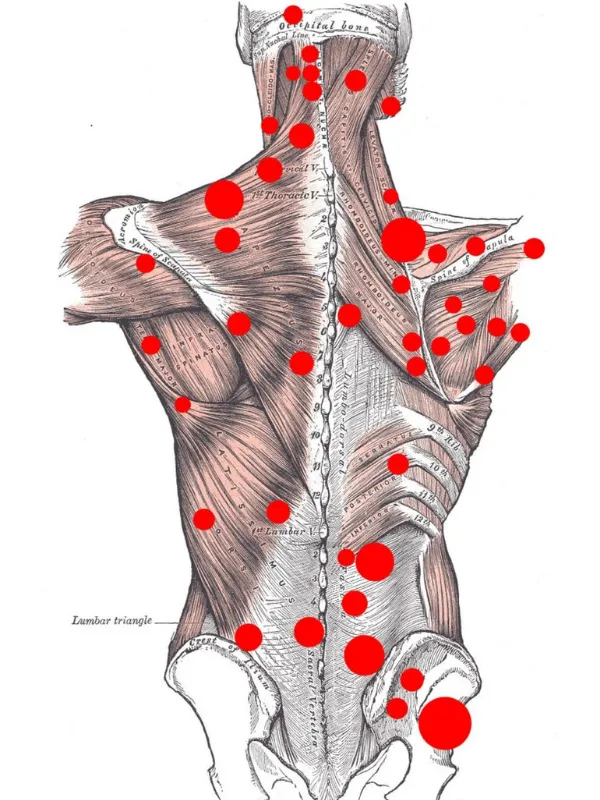
Trigger points are hyperirritable spots within a muscle that have become locked in a contracted state. They cause local pain and — importantly — referred pain at a distance from the actual site. That headache at the base of your skull may be coming from a trigger point in your upper trapezius. The ache running down your leg may be originating in the glutes or piriformis.
Finding where the pain is coming from, rather than just treating where it is felt, is what separates an assessment-based approach from a generic one. Dry needling is one of the most precise tools available for addressing these points directly.
What Dry Needling Is Used For?
Dry needling is particularly effective for:
Deep muscular knots that do not respond to massage alone
Chronic tension in the neck, upper back, and shoulders
Lower back pain driven by muscular tightness and trigger point activity
Referred pain patterns — pain felt in one area but sourced from another
Hip and glute tension contributing to sciatic-like symptoms
Sports injuries and overuse conditions
Tension headaches originating from the neck and upper back
Restricted movement that persists despite regular treatment
What to Expect — Including the Twitch Response
Many people come in with some apprehension about needles. Understanding what actually happens in a session removes most of that concern.
The needles used are very fine — significantly thinner than a standard injection needle. Most people feel little to nothing as they are inserted. What you may feel is a brief, involuntary muscle twitch — a local twitch response — when the needle reaches the trigger point. This is a normal and expected part of the process. It indicates the trigger point has been located and is responding to treatment. The sensation is brief and usually followed by an immediate sense of release or relief in the area.
Some post-treatment soreness is normal, typically settling within 24 to 48 hours. This is the muscle responding to treatment, not a sign that anything has gone wrong.
What to Expect at Your Session
Assessment first. Every session begins with a posture and range of motion assessment. For myofascial work this is especially important — fascial restrictions rarely sit where the pain is felt. The assessment identifies where the pattern is coming from before treatment begins.
Treatment. MFR is applied to the areas identified in the assessment, often in combination with remedial massage and other techniques depending on what your body needs that day. James will explain what he is working on and what you may notice during and after the session.
Aftercare. Fascial work can produce a different post-treatment response to regular massage — some clients feel immediate relief, others notice a gradual change over the following day or two. You will leave with clear guidance on what to expect and how to support the work between sessions.
Is It Right for You?
Dry needling is well suited to people dealing with persistent, deep muscular tension that has not fully responded to massage alone — particularly where referred pain patterns are present or where a specific trigger point is clearly contributing to the problem.
It is not suitable during pregnancy, over areas of active infection or broken skin, or for people with certain blood clotting conditions. If you have any concerns about suitability, mention them when booking and James can advise before the session.
Private Health Fund Rebates
Private health fund rebates are available — claim on the spot. James is a registered member of the Australian Natural Therapists Association (ANTA), recognised by all major Australian health funds. If you have extras cover that includes remedial massage, you can claim your rebate at the time of payment. Check your fund for your specific entitlements before booking.
Related Services

The broader clinical framework that deep tissue technique sits within. If you're unsure which to book, remedial massage is the right starting point.
Trigger Point Therapy
Manual trigger point release using sustained hand pressure rather than needles. An alternative for clients who prefer to avoid needling, or used alongside it within the same session.
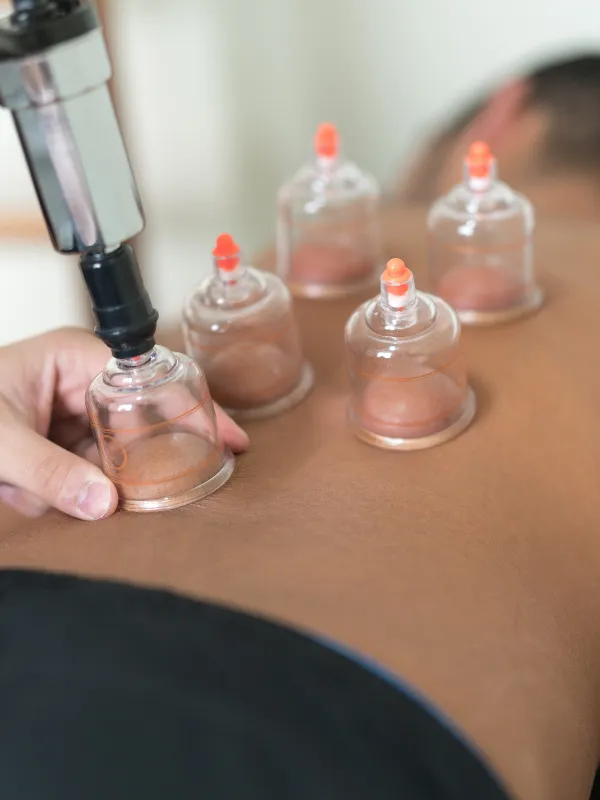
Suction-based treatment that lifts rather than compresses tissue. Works well alongside myofascial release for fascial restrictions across larger areas.

Book Remedial Massage Therapy in Tweed Heads
Ready to book? Select your session below and choose a time that suits you. It only takes a minute.