
Myofascial Release Massage in Tweed Heads
If you have been dealing with persistent pain or restricted movement that does not respond to regular massage, the problem may not be in the muscle itself — it may be in the connective tissue surrounding it.
Health Fund Rebates Available
Wednesday to Saturday
Tweed Heads South
What Is Myofascial Release?
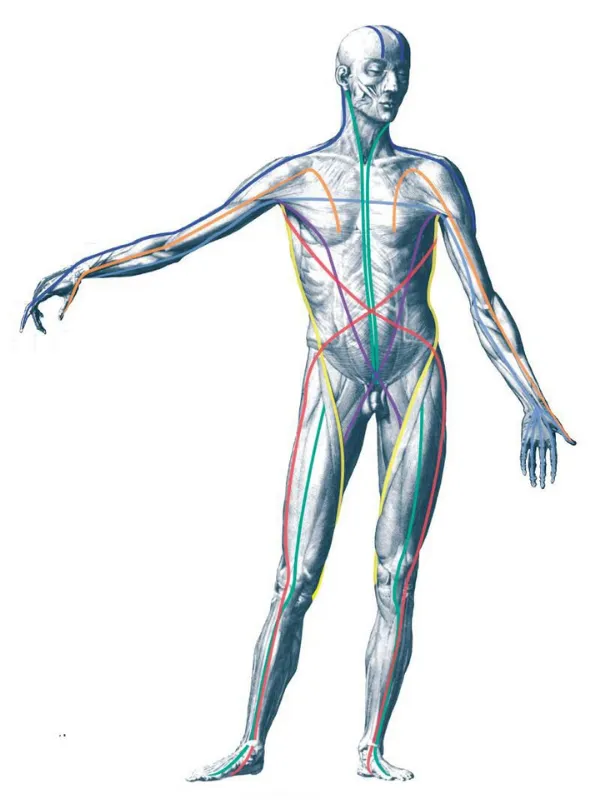
Fascia is the connective tissue network that wraps around every muscle, organ, and structure in the body. In a healthy state it is flexible and glides freely. Under sustained physical load, repetitive strain, injury, or prolonged poor posture, fascia can tighten and restrict — creating pain, reduced movement, and tension that feels impossible to shift.
Myofascial release is a hands-on technique that targets these restrictions directly. Rather than the rhythmic strokes of standard massage, MFR uses slow, sustained pressure held in specific areas — waiting for the tissue to soften and release rather than forcing it. The result is a change in the tissue itself, not just temporary relief in the muscle above it.
What to Expect — It Feels Different to Regular Massage
This is worth setting the expectation clearly: myofascial release feels nothing like a standard remedial or deep tissue session.
The pressure is often lighter. The holds are longer — sometimes a minute or more in a single position. There is less movement across the body and more focused, still work in specific areas.
Some clients find this surprising. Others find it more effective than anything they have tried before. The technique is working at a different depth and on a different structure, which is why the sensation and the outcome differ from massage alone.
What Myofascial Release Is Used For
MFR is particularly effective for:
Chronic pain that has not responded to regular remedial massage
Persistent tension that returns quickly after treatment
Restricted movement in the back, hips, shoulders, or neck
Post-surgical tightness and scar tissue restriction
Postural dysfunction — particularly where fascial lines have adapted around a long-held pattern
Tension headaches and jaw tightness driven by fascial restriction
Thoracic and lumbar stiffness that limits everyday movement
What to Expect at Your Session
Assessment first. Every session begins with a posture and range of motion assessment. For myofascial work this is especially important — fascial restrictions rarely sit where the pain is felt. The assessment identifies where the pattern is coming from before treatment begins.
Treatment. MFR is applied to the areas identified in the assessment, often in combination with remedial massage and other techniques depending on what your body needs that day. James will explain what he is working on and what you may notice during and after the session.
Aftercare. Fascial work can produce a different post-treatment response to regular massage — some clients feel immediate relief, others notice a gradual change over the following day or two. You will leave with clear guidance on what to expect and how to support the work between sessions.
Is It Right for You?
Myofascial release suits anyone dealing with persistent, recurring tension or pain that has not fully responded to other treatment. It is particularly valuable for people whose symptoms feel widespread or difficult to pinpoint — because fascial restrictions often create referred discomfort away from the actual site of the problem.
MFR is gentle enough for people who find deep pressure uncomfortable, and is commonly used alongside other techniques rather than as a replacement for them.
Private Health Fund Rebates
Private health fund rebates are available — claim on the spot. James is a registered member of the Australian Natural Therapists Association (ANTA), recognised by all major Australian health funds. If you have extras cover that includes remedial massage, you can claim your rebate at the time of payment. Check your fund for your specific entitlements before booking.
Related Services

The broader clinical framework that deep tissue technique sits within. If you're unsure which to book, remedial massage is the right starting point.
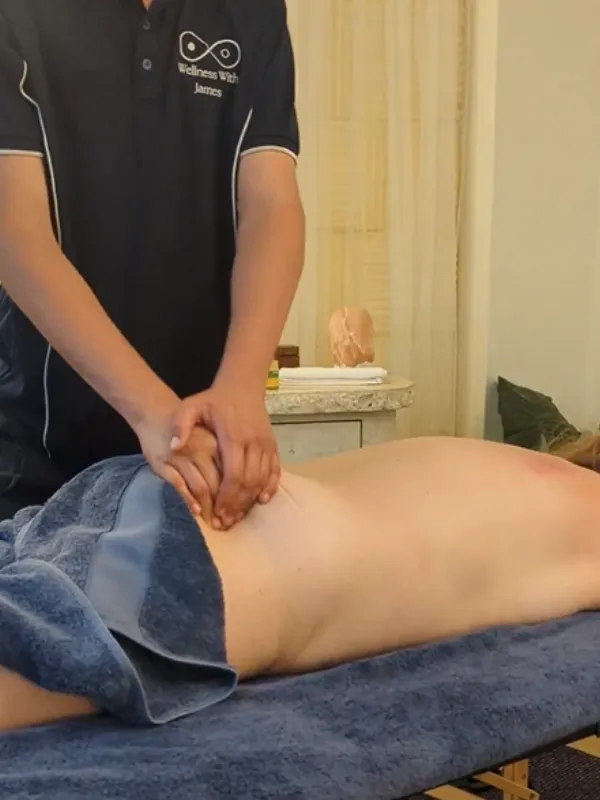
Sustained pressure into the deeper layers of muscle and connective tissue. Often combined with cupping for areas of significant chronic tension.
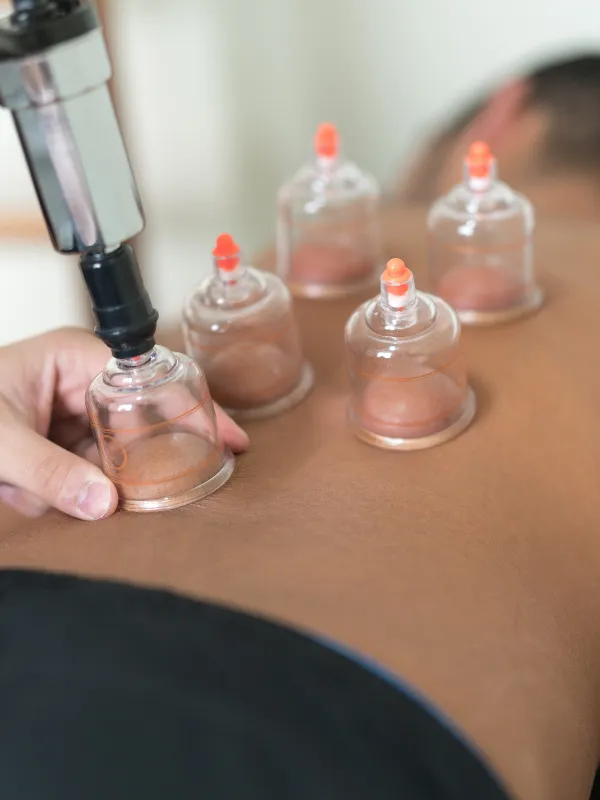
Suction-based treatment that lifts rather than compresses tissue. Works well alongside myofascial release for fascial restrictions across larger areas.

Book Remedial Massage Therapy in Tweed Heads
Ready to book? Select your session below and choose a time that suits you. It only takes a minute.