Cupping Therapy in Tweed Heads
If you have areas of tension that regular massage hasn't shifted, cupping works differently — and that difference is often exactly what your body needs.
Health Fund Rebates Available
Wednesday to Saturday
Tweed Heads South
What Is Cupping Therapy?
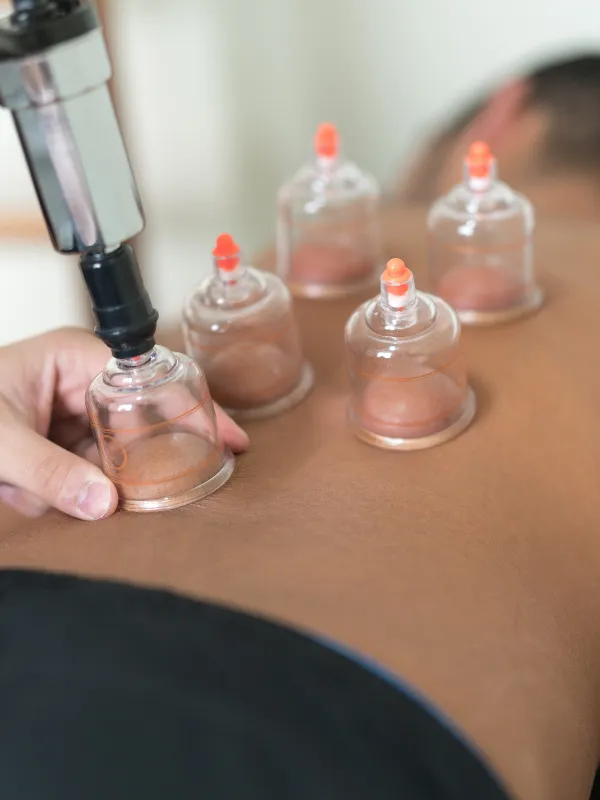
Cupping uses suction rather than compression to work on muscle and connective tissue. Cups are applied to the skin and create a vacuum that lifts the tissue upward, drawing increased blood flow to the area and encouraging the release of fascial restrictions beneath the surface.
Where regular massage pushes down into the tissue, cupping pulls upward. That change in direction reaches layers of tension that hands alone can struggle to access — particularly across the upper back, lower back, and larger muscle groups.
What About the Marks?
This is the first question most people ask, so it is worth addressing directly.
Cupping often leaves circular discolouration on the skin — similar in appearance to bruising, but not caused by the same mechanism. They are a normal response to the suction and increased circulation in the area. They are not painful, and they fade within a few days.
Not everyone marks to the same degree. If you are concerned, mention it before the session and James can adjust the technique accordingly.
What Cupping Is Used For
Cupping is particularly effective for:
Stubborn tension across the upper back and shoulders that returns quickly after massage
Broad areas of tightness that are difficult to isolate with hands alone
Restricted movement through the back, hips, or legs
Muscle recovery after heavy training or physical work
Fascial adhesions — areas where connective tissue has tightened and restricted normal movement
Chronic postural strain from desk work or manual labour
General circulation and tissue mobility in areas of repeated stress
What to Expect at Your Session
Cupping at Wellness With James is not a standalone treatment. It is one tool within a broader session, used where it will make the most difference.
Assessment first. Every session begins with a posture and range of motion assessment. This identifies where restriction is coming from before any treatment begins — cupping is applied where it is clinically indicated, not as a routine.
Treatment. Cups may be left stationary on an area or moved across the skin in a technique called gliding cupping. James will explain what he is doing and why. Pressure and duration are adjusted based on your response and comfort throughout.
Aftercare. You will leave with specific guidance on what to expect in the days following — including any temporary soreness or skin response — and practical steps to support your recovery between sessions.
Is Cupping Right for You?
Cupping works well for most people dealing with muscular tension, movement restriction, or recovery from physical load. It is commonly combined with remedial massage and myofascial release within the same session.
Cupping is not suitable if you have active skin conditions, open wounds, or certain circulatory conditions in the treatment area. If you are unsure whether it is appropriate for your situation, mention it when booking and James can advise before the session begins.
Private Health Fund Rebates
Private health fund rebates are available — claim on the spot. James is a registered member of the Australian Natural Therapists Association (ANTA), recognised by all major Australian health funds. If you have extras cover that includes remedial massage, you can claim your rebate at the time of payment. Check your fund for your specific entitlements before booking.
Related Services
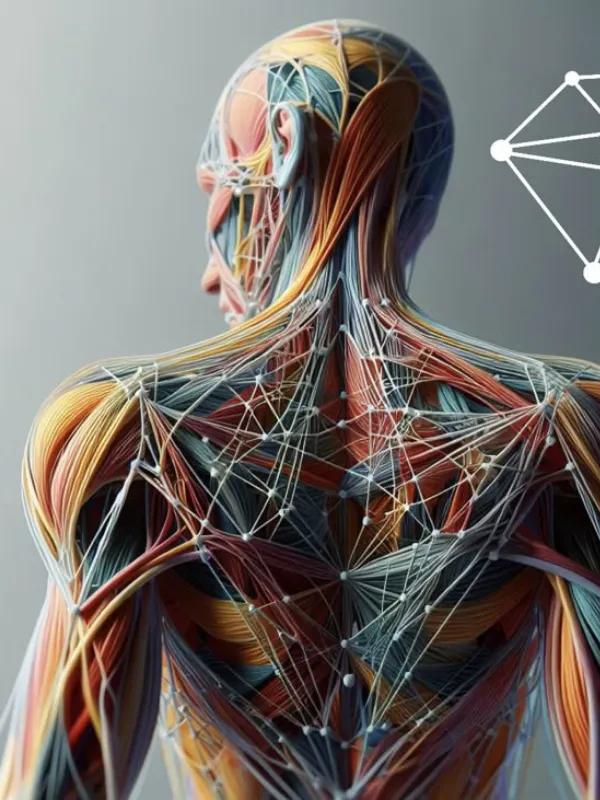
The broader clinical framework that deep tissue technique sits within. If you're unsure which to book, remedial massage is the right starting point.
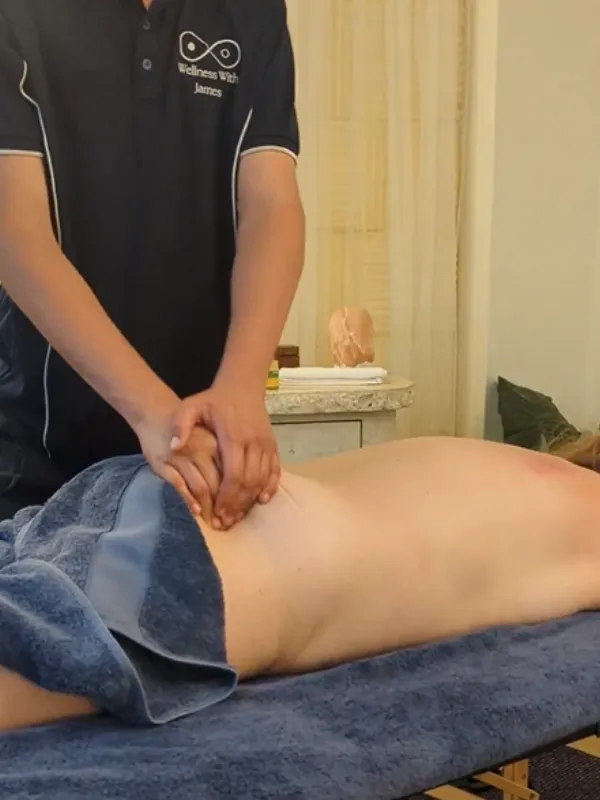
Sustained pressure into the deeper layers of muscle and connective tissue. Often combined with cupping for areas of significant chronic tension.
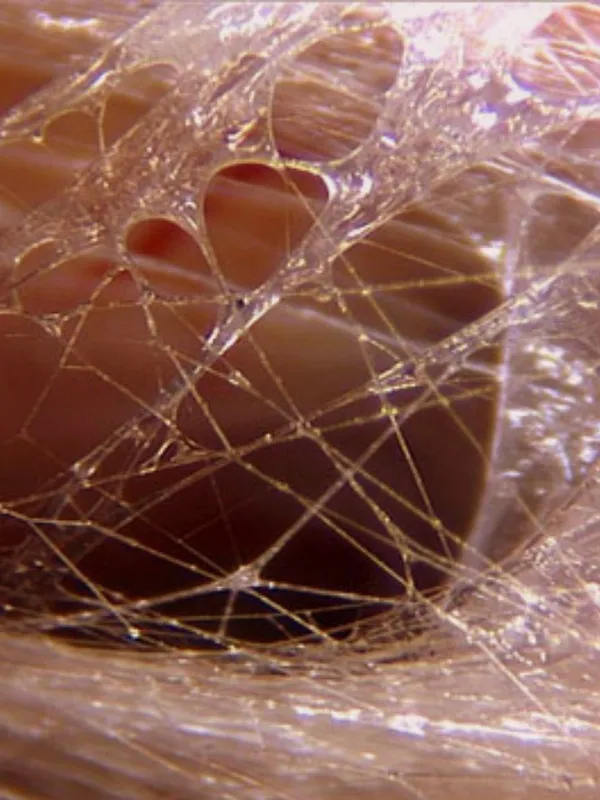
Slow, sustained work on the connective tissue network surrounding the muscles. Complements cupping particularly well for fascial restrictions.
Book Remedial Massage Therapy in Tweed Heads
Ready to book? Select your session below and choose a time that suits you. It only takes a minute.