
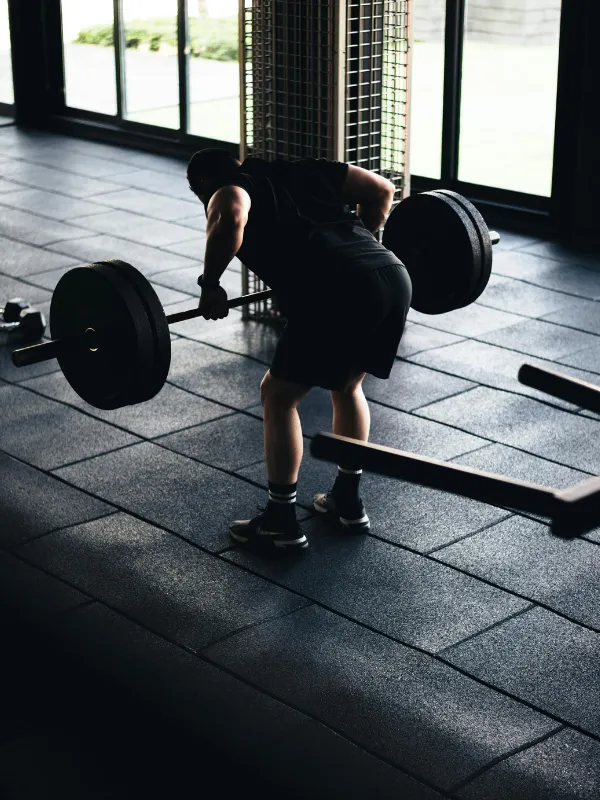
Sports Massage in Tweed Heads
If you have stubborn knots or areas of deep tension that regular massage has not fully resolved, dry needling works at a level hands alone cannot always reach.
Health Fund Rebates Available
Wednesday to Saturday
Tweed Heads South
What Is Sports Massage?
Sports massage is targeted treatment designed to support physical performance and recovery. It addresses the specific demands that training and competition place on muscle, connective tissue, and range of motion — and it is not limited to elite or professional athletes.
If you train at the gym, run, swim, cycle, surf, play team sport, or do anything physical with regularity, sports massage belongs in your recovery plan. The goal is to keep you moving well, reduce injury risk, and help you get more out of the work you are already putting in.
Three Reasons to Book
Pre-event preparation. In the days before competition or a heavy training block, sports massage prepares the body by improving circulation, loosening restricted tissue, and optimising range of motion. You go in ready to perform rather than fighting tightness from the session before.
Post-event recovery. After competition or intense training, the priority is accelerating the recovery process — reducing delayed onset muscle soreness, flushing metabolic waste from overworked tissue, and restoring normal movement patterns so you can get back to training sooner.
Ongoing maintenance. This is where the real value of sports massage sits. Regular treatment between training blocks reduces the accumulation of tension that leads to injury, identifies areas of restriction before they become problems, and supports consistent performance over time. Maintenance is not a luxury — it is injury prevention.
What Sports Massage Is Used For
Sports massage at Wellness With James addresses:
Muscle soreness and tightness after training or competition
Reduced range of motion affecting movement quality and performance
Recurring niggles that keep flaring up under load
Hip flexor and quad tightness from running, cycling, or heavy lower body training
Shoulder and upper back tension from swimming, overhead lifting, or throwing sports
Calf, hamstring, and glute tightness from endurance sports
Lower back load from heavy compound lifting or contact sport
General recovery support between training sessions
What to Expect at Your Session
Assessment first. Every session begins with a posture and range of motion assessment. For sports clients this step identifies movement restrictions and compensatory patterns that may be affecting performance or increasing injury risk — before any hands-on treatment begins.
Treatment. Sports massage may combine remedial massage, myofascial release, dry needling, cupping, and trigger point work depending on what your body needs that day. James does not apply a standard routine — he works from the assessment findings and adjusts throughout the session based on how your tissue responds.
Aftercare. You will leave with specific mobility or exercise recommendations tailored to your sport and your current training load. The goal is to support the work done in session and reduce the rate at which tension accumulates between appointments.
Is It Right for You?
Sports massage suits anyone who trains or competes with regularity and wants to stay on top of their physical condition rather than waiting until something goes wrong. It is equally relevant for the competitive athlete managing a full training schedule and the recreational gym-goer who wants to train consistently without chronic soreness getting in the way.
If you are currently managing a specific injury, James will assess whether massage is appropriate and refer on if the situation requires a different kind of intervention.
Private Health Fund Rebates
Private health fund rebates are available — claim on the spot. James is a registered member of the Australian Natural Therapists Association (ANTA), recognised by all major Australian health funds. If you have extras cover that includes remedial massage, you can claim your rebate at the time of payment. Check your fund for your specific entitlements before booking.
Related Services
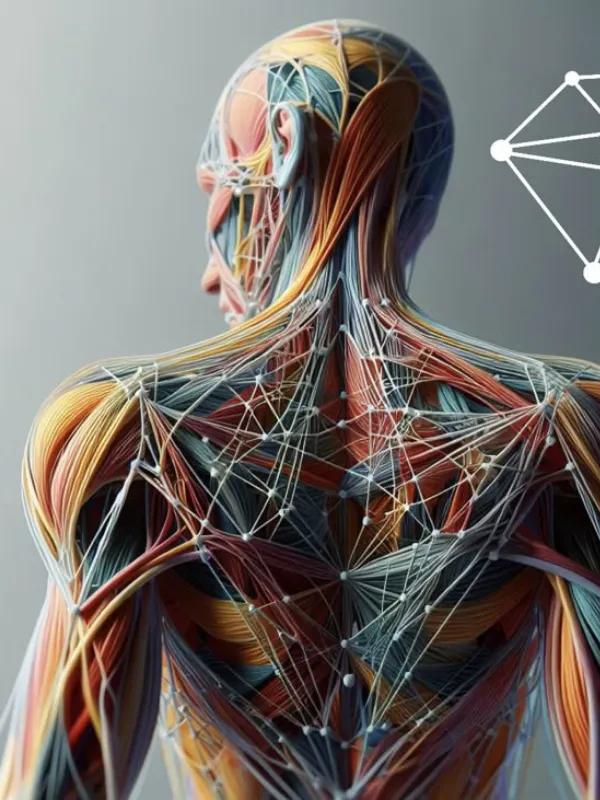
The broader clinical framework that deep tissue technique sits within. If you're unsure which to book, remedial massage is the right starting point.
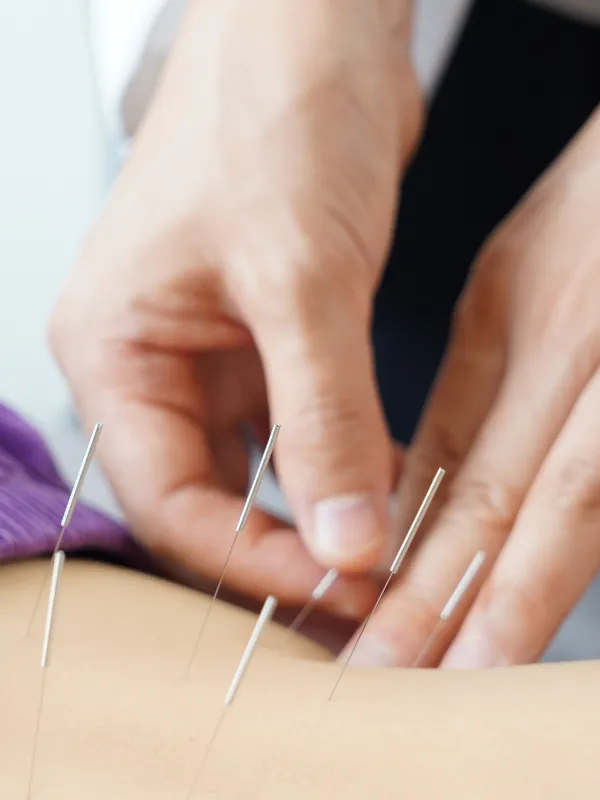
Manual trigger point release using sustained hand pressure rather than needles. An alternative for clients who prefer to avoid needling, or used alongside it within the same session.
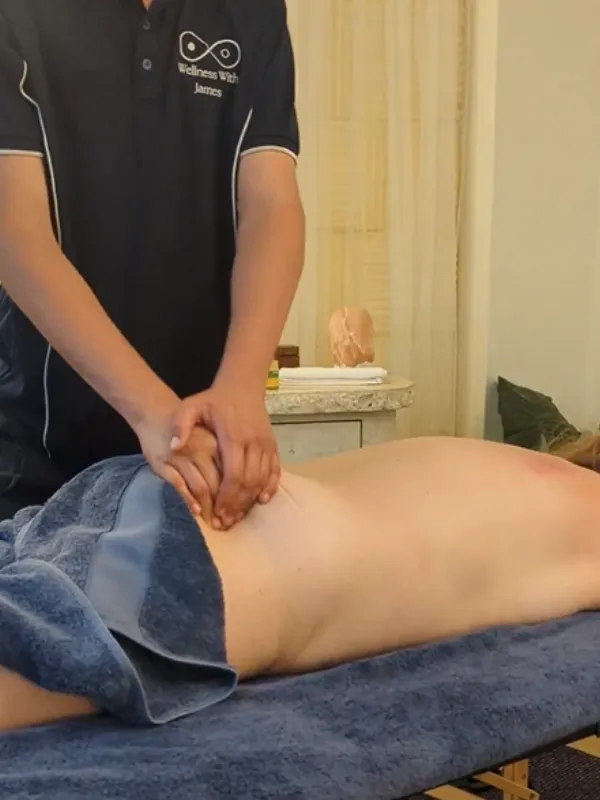
Suction-based treatment that lifts rather than compresses tissue. Works well alongside myofascial release for fascial restrictions across larger areas.

Book Remedial Massage Therapy in Tweed Heads
Ready to book? Select your session below and choose a time that suits you. It only takes a minute.