
Massage for Sciatica and Hip Pain — Tweed Heads
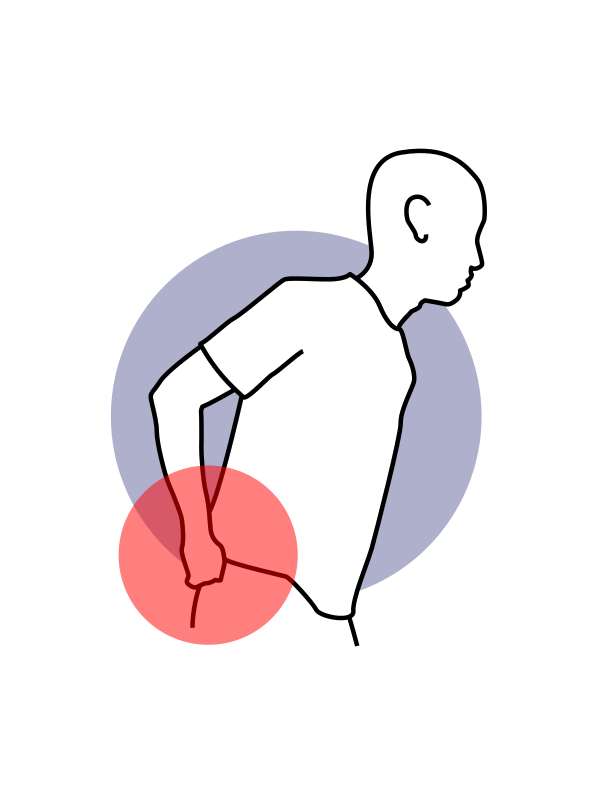
That shooting pain down your leg, the ache deep in your glute, the burning or tingling that makes sitting unbearable — these are classic signs of sciatic nerve irritation. What most people don't know is that the majority of cases like this respond well to remedial massage, because the nerve isn't damaged — it's being compressed by muscle.
Health Fund Rebates Available
Wednesday to Saturday
Tweed Heads South
Why Sciatica Persists
The sciatic nerve is the longest nerve in the body, running from the lower back through the glute and down each leg. When something compresses or irritates it, pain follows — sometimes locally, sometimes all the way to the foot.
The most common assumption is that sciatica means a disc problem. That's sometimes true, but far more often the compression is muscular. The piriformis muscle in the glute sits directly over or around the sciatic nerve in most people. When it tightens — through prolonged sitting, overuse, or postural imbalance — it can compress the nerve and produce the full range of sciatic symptoms.
This is called piriformis syndrome, and it responds very well to targeted massage treatment.
Stretching addresses the symptom briefly. What it doesn't do is reverse the underlying imbalance or change the load distribution that's been building for months or years. That requires targeted treatment and a plan to address the pattern — not just the pain.
True Sciatica vs Piriformis Syndrome
The distinction matters because treatment differs.
True sciatica involves nerve compression at the lumbar spine — typically from a disc herniation or vertebral narrowing. Massage supports the surrounding musculature, reduces compressive load on the spine, and can significantly reduce symptoms. It doesn't treat the disc directly, but it addresses the muscular environment contributing to the problem. Exercise rehabilitation plays an important role in reducing load on the affected structures, and James incorporates targeted mobility and strengthening guidance as part of the treatment approach.
Piriformis syndrome mimics sciatica exactly but originates in the glute. The piriformis is directly accessible to manual therapy and responds well to targeted release, dry needling, and hip mobility work. Many people who have been told they have sciatica actually have piriformis syndrome — and this is far more straightforward to treat.
James's assessment identifies which presentation you're dealing with before treatment begins.
Treatments Used
Depending on what the assessment finds, treatment may include:
Remedial massage targeting the glutes, piriformis, hip rotators, and lumbar musculature
Dry needling for deep trigger points in the piriformis and surrounding hip muscles
Myofascial release for fascial restrictions contributing to hip and lumbar tightness
Cupping therapy across the lower back and glutes for broader muscular release
Hip mobility exercises and postural guidance to reduce compressive load between sessions
When to See a Doctor
If your symptoms include loss of bladder or bowel control, progressive weakness in the leg, or numbness that is worsening rather than fluctuating, seek medical assessment before booking a massage. James works collaboratively with GPs, physios, and other allied health practitioners and will refer where appropriate.
Private Health Fund Rebates
Private health fund rebates are available — claim on the spot. James is a registered member of the Australian Natural Therapists Association (ANTA), recognised by all major Australian health funds. If you have extras cover that includes remedial massage, you can claim your rebate at the time of payment. Check your fund for your specific entitlements.
Related Services
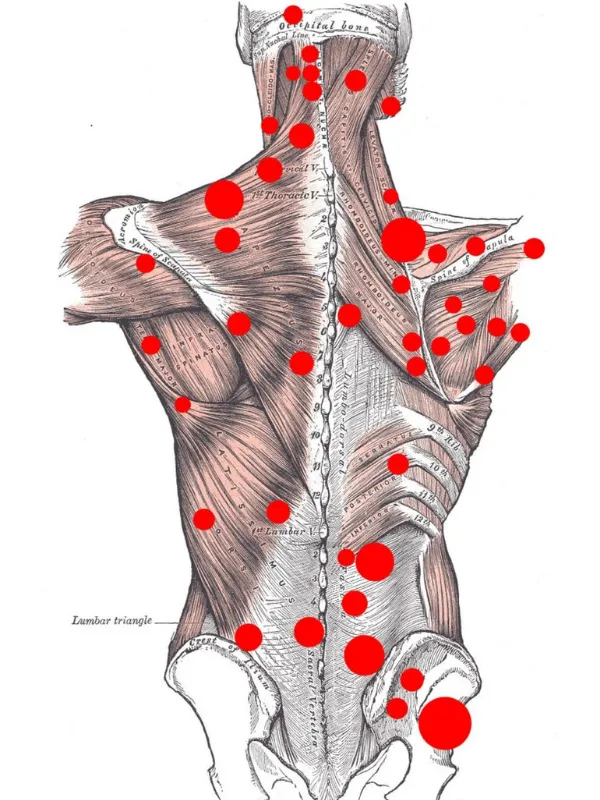
Deep trigger points in the piriformis and hip rotators are often the primary driver of sciatic symptoms. Where manual pressure alone isn't reaching them, dry needling produces faster and more lasting release and can be incorporated into the same session as massage.
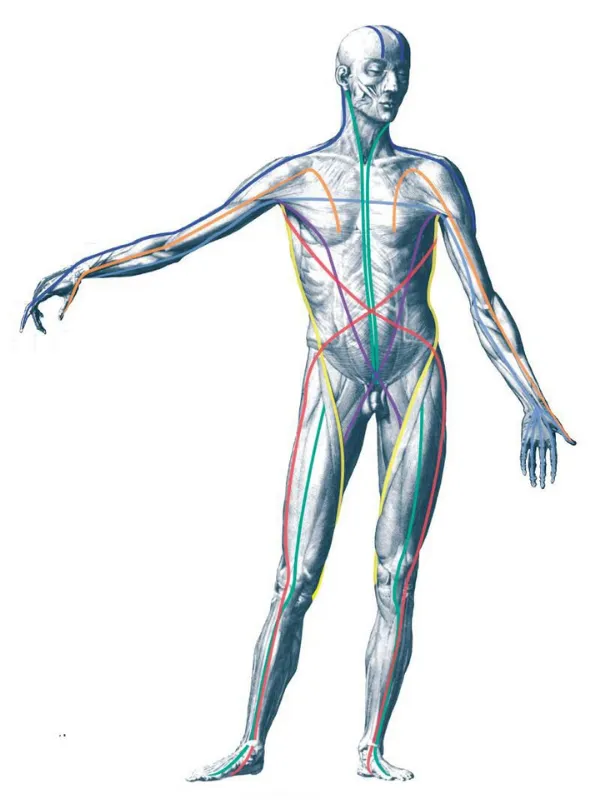
Fascial restrictions through the hip, glute, and lumbar region can maintain compressive load on the sciatic nerve even after the muscle tension is addressed. Myofascial release works the connective tissue layer to reduce this restriction.
Identifying whether sciatic symptoms are coming from the lumbar spine or the glute changes everything about how they're treated. The assessment answers that question before hands-on work begins.

Book Remedial Massage Therapy in Tweed Heads
Ready to book? Select your session below and choose a time that suits you. It only takes a minute.