
Massage for Poor Posture and Office Pain — Tweed Heads
You sit for eight hours. Your neck aches by midday. Your shoulders are permanently raised. You've tried stretching, a new chair, moving your monitor. It helps for a day. The pattern keeps coming back because the problem isn't the chair — it's what eight hours in that chair has done to your muscles, your joints, and the way your body holds itself.
Health Fund Rebates Available
Wednesday to Saturday
Tweed Heads South
Why Office Pain Doesn't Fix Itself
Prolonged sitting in a fixed position isn't just uncomfortable — it creates predictable muscular imbalances. Some muscles become chronically shortened and overloaded. Others switch off from lack of use. Over time, the body adapts to this pattern, and that adaptation becomes the new normal.
Stretching addresses the symptom briefly. What it doesn't do is reverse the underlying imbalance or change the load distribution that's been building for months or years. That requires targeted treatment and a plan to address the pattern — not just the pain.
What's Actually Happening
Desk work and screen time tend to produce a recognisable set of patterns:
Forward head posture — for every inch the head moves forward of the shoulders, the effective load on the neck roughly doubles. Most desk workers carry their head significantly in front of their centre of gravity without realising it.
Rounded shoulders — the chest muscles shorten, the muscles between the shoulder blades weaken, and the shoulders roll forward. This loads the upper back and restricts shoulder movement.
Upper crossed syndrome — a classic pattern where the upper trapezius and neck muscles are overactive and tight, while the deep neck flexors and lower trapezius are underperforming. The result is persistent neck and shoulder tension that doesn't resolve with general massage.
Hip flexor tightness — prolonged sitting keeps the hip flexors in a shortened position for hours at a time. This affects how you stand, how you walk, and often contributes to lower back pain that seems unrelated to desk work.
James's assessment identifies which of these patterns are present before treatment begins, so hands-on work targets the right structures.
What's Different About James's Approach
Most massage treats the tight tissue. That's part of it. But if the posture creating the tension is unchanged between sessions, the tissue will tighten again.
At the end of each session, James provides specific postural cues and targeted mobility exercises based on what the assessment found. These are practical, time-efficient, and chosen for your pattern specifically — not generic advice from a handout.
The Assessment-First Approach
Every session opens with a postural and range of motion assessment. For desk workers and people with posture-related pain, this step is particularly valuable — the pattern driving the pain is visible before a single question is asked.
James assesses alignment from multiple angles, checks range of motion through the neck, shoulders, and hips, and identifies which muscles are overloaded and which are underperforming. Treatment is built around these findings, not around where you tell him it hurts.
Treatments Used
Depending on what the assessment finds, treatment may include:
Remedial massage targeting the neck, upper back, chest, and hip flexors
Myofascial release for fascial restrictions maintaining postural patterns
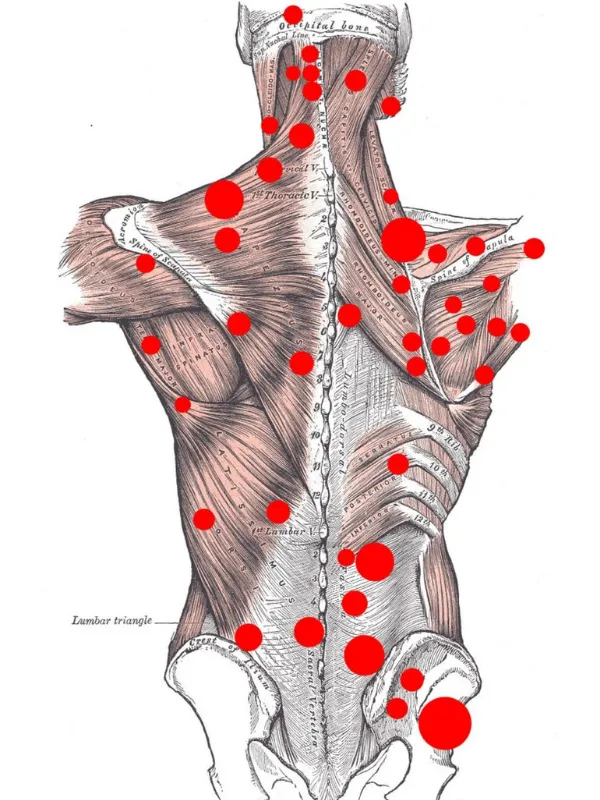
Trigger point therapy for referral patterns contributing to neck, shoulder, or head pain
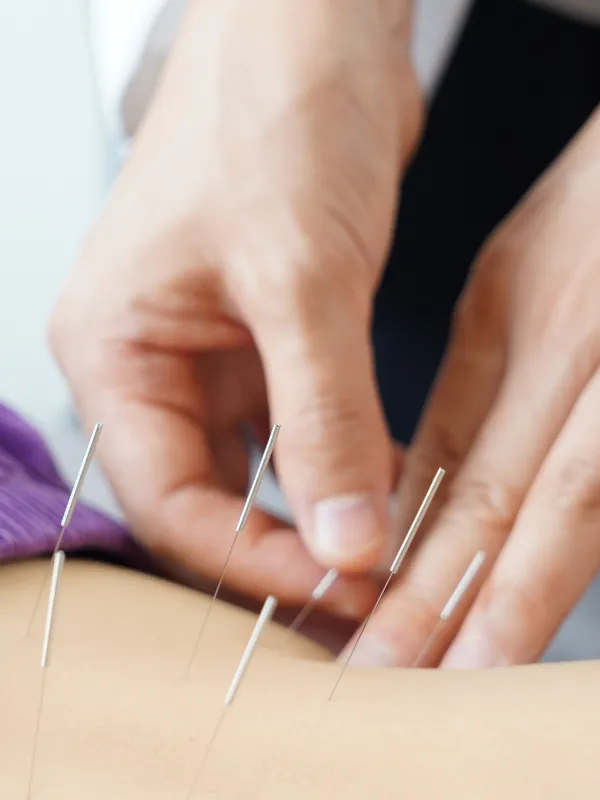
Dry needling for deep muscular knots that aren't releasing with manual therapy
Personalised postural cues and mobility exercises to support change between sessions
Private Health Fund Rebates
Private health fund rebates are available — claim on the spot. James is a registered member of the Australian Natural Therapists Association (ANTA), recognised by all major Australian health funds. If you have extras cover that includes remedial massage, you can claim your rebate at the time of payment. Check your fund for your specific entitlements.
Related Services
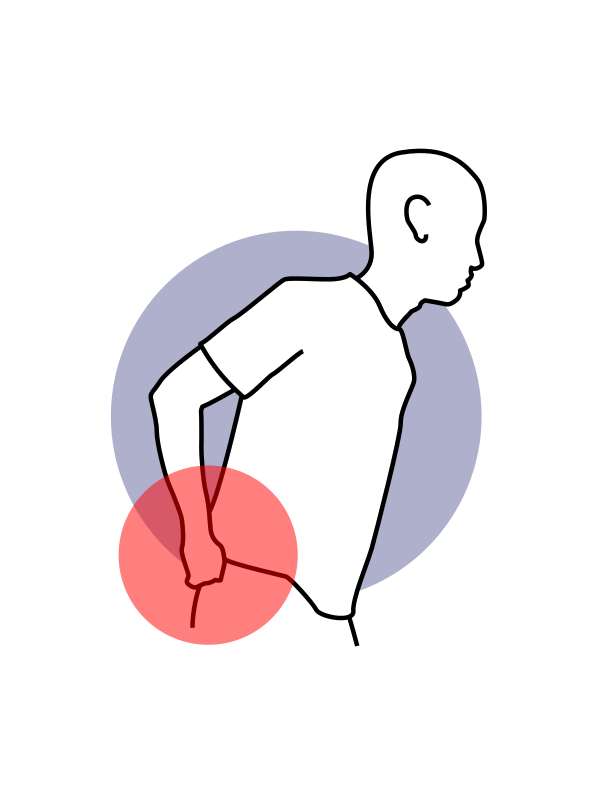
Posture-related pain is one of the clearest use cases for assessment before treatment. James identifies the specific patterns at work in your body so treatment is targeted rather than general from the very first session.
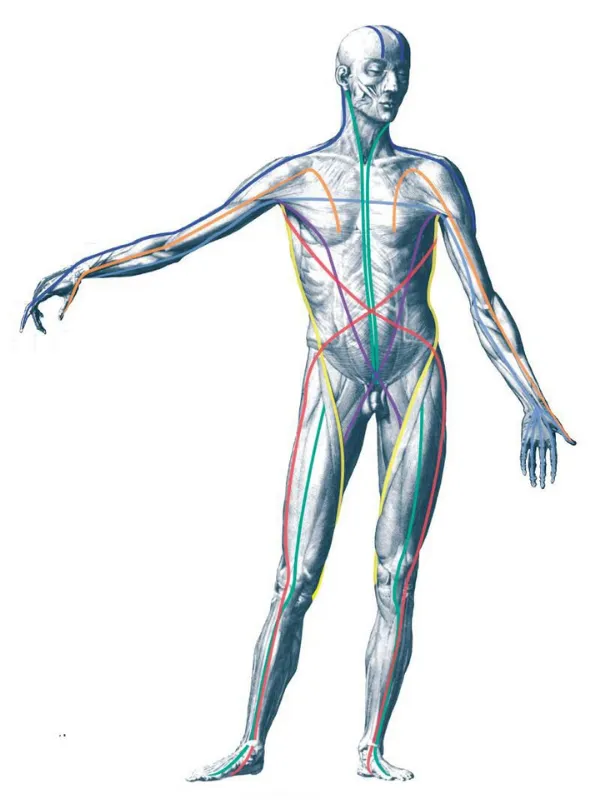
Postural patterns involve the fascial network as much as the muscles. Myofascial release addresses the connective tissue layer maintaining restrictions that regular massage can't fully reach, making it a common part of treatment for desk-related pain.
The treatment James provides in the clinic is one part of the equation. The mobility exercises and postural cues you take away are what creates change in the hours between sessions. For desk workers especially, this is where the long-term improvement happens.

Book Remedial Massage Therapy in Tweed Heads
Ready to book? Select your session below and choose a time that suits you. It only takes a minute.