
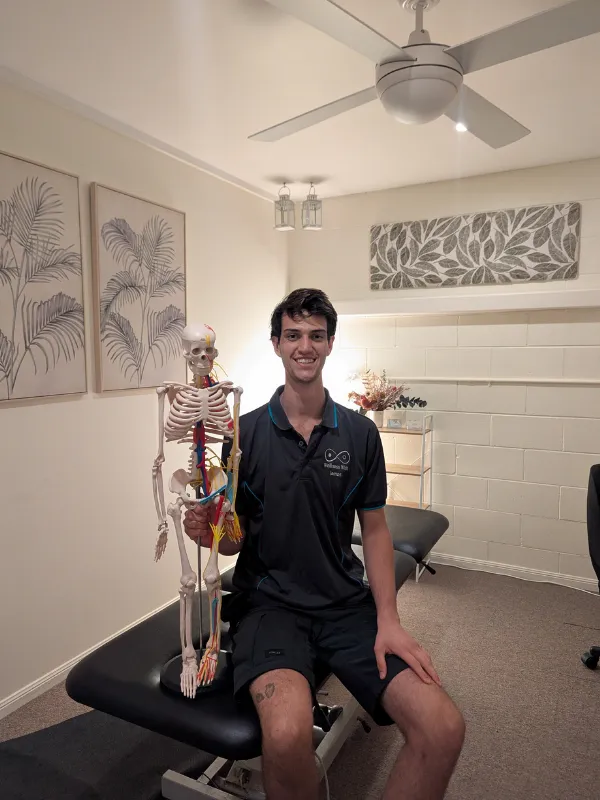
Postural Assessment and Range of Motion Testing — Tweed Heads
Most massage starts with a question: where does it hurt? That's not enough. Before any treatment begins, James assesses how your body is moving, where it's restricted, and what's actually driving your pain — not just where you're feeling it.
Health Fund Rebates Available
Wednesday to Saturday
Tweed Heads South
Why Assessment Comes First
Pain is rarely where the problem is. A tight neck might trace back to rounded shoulders. Lower back pain often starts with how you stand or sit for eight hours a day. Without a proper assessment, treatment addresses the symptom and misses the cause.
Every session at Wellness With James opens with a structured assessment — posture, alignment, and range of motion testing — before hands-on treatment begins. This takes around 10 minutes and changes everything about what happens next.
What the Assessment Involves
James uses two primary assessment tools: postural analysis and range of motion testing.
Postural analysis looks at how your body is aligned when standing. It identifies patterns like forward head posture, elevated shoulders, anterior pelvic tilt, or uneven weight distribution. These patterns place constant load on certain muscles and joints — and over time, that load becomes pain.
Range of motion testing checks how far and how freely each joint moves. Limited range of motion in the shoulder, neck, or hips tells James not just where movement is restricted but which structures are involved — whether the restriction is muscular, fascial, or both.
Together, these two assessments give James a clear picture of what's happening in your body before a single stroke of massage is applied.
What It Tells James
The assessment identifies:
Which muscles are overloaded and which are underperforming
Where movement is restricted and which direction is affected
Whether pain is likely referred from another area
Which treatment approach is most appropriate for this session
What postural or movement patterns are likely causing or maintaining the problem
This is the difference between a treatment that relieves pain for a day and one that starts addressing the pattern causing it.
What to Expect
Step 1 — Assessment. You'll stand in a relaxed position while James observes your posture from multiple angles and takes you through a short series of movements. You'll be asked about your pain, your work, your activity levels, and how long the issue has been present.
Step 2 — Treatment plan. Based on what the assessment reveals, James selects the most appropriate techniques for your body that day — remedial massage, myofascial release, dry needling, cupping, trigger point therapy, or a combination. Nothing is added without reason.
Step 3 — Treatment and aftercare. The session proceeds with a clear clinical focus. At the end, James may provide postural cues, mobility exercises, or movement advice to support your recovery between sessions.
Tracked Across Sessions
For clients attending regularly, range of motion findings are tracked over time. If your shoulder rotation was restricted at your first session, James measures it again at subsequent appointments. Progress is observable, not assumed.
This matters because it means treatment can be adjusted based on how your body is actually responding — not just how you feel on the day.
Who This Is For
If you've had massage before and found the relief short-lived, the assessment-first approach is the reason that changes. It's particularly relevant for people with recurring pain, postural issues from desk work or physical labour, and movement restrictions that affect sport, training, or daily function.
Private Health Fund Rebates
Private health fund rebates are available — claim on the spot. James is a registered member of the Australian Natural Therapists Association (ANTA), recognised by all major Australian health funds. If you have extras cover that includes remedial massage, you can claim your rebate at the time of payment. Check your fund for your specific entitlements before booking.
Related Services
Remedial Massage
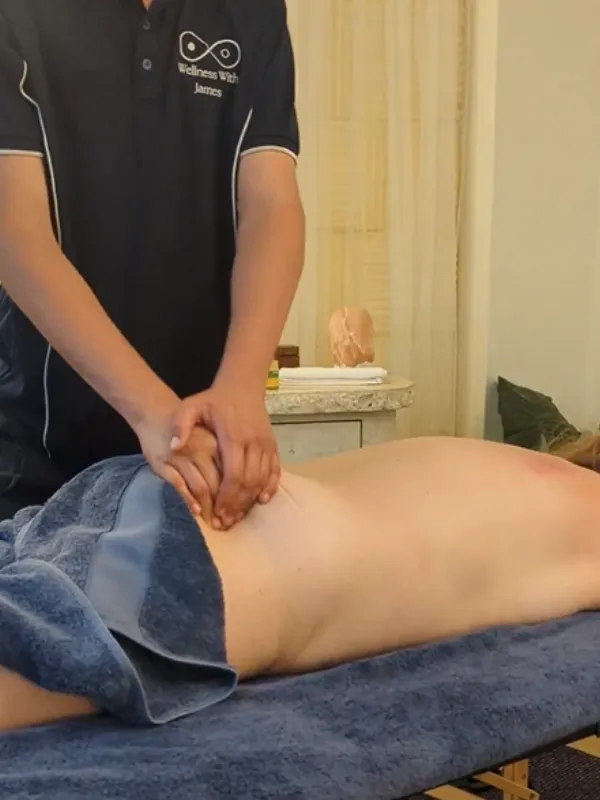
Every remedial massage session at Wellness With James is built on the findings of the postural and range of motion assessment. Treatment is targeted to the structures the assessment identifies, not applied generically across the whole body.
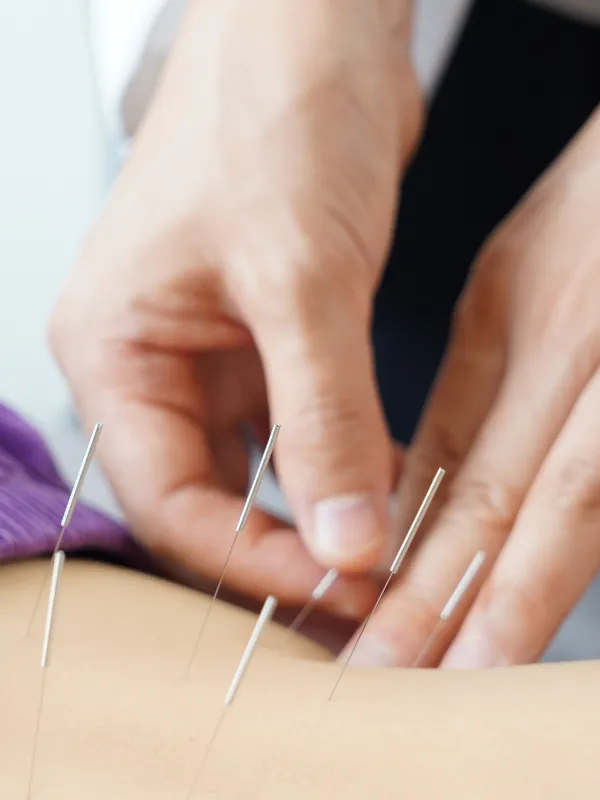
Where the assessment identifies deep trigger points or muscular restrictions that aren't responding to manual therapy alone, dry needling can be incorporated into the same session. James holds certified qualification VU21879 in myofascial dry needling.
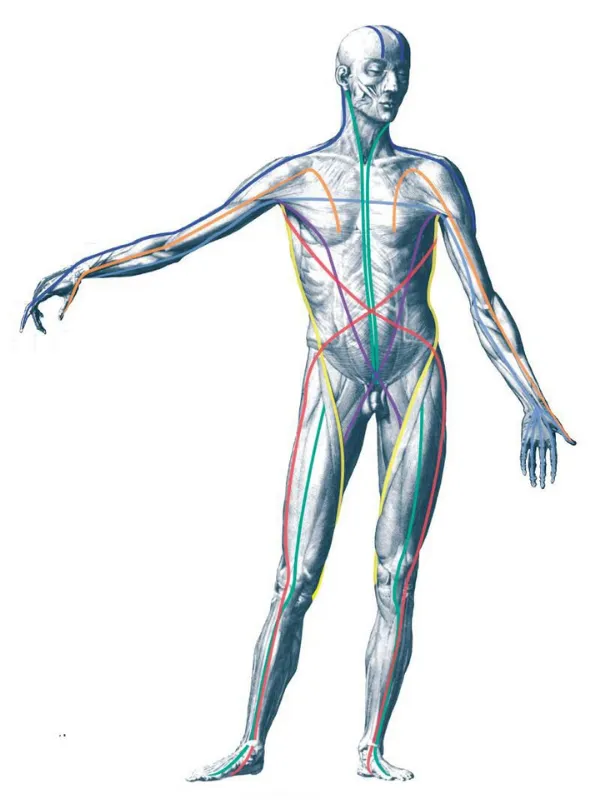
When the assessment reveals fascial restriction limiting joint movement or causing postural distortion, myofascial release techniques are used to address the connective tissue layer contributing to the problem.

Book Remedial Massage Therapy in Tweed Heads
Ready to book? Select your session below and choose a time that suits you. It only takes a minute.