
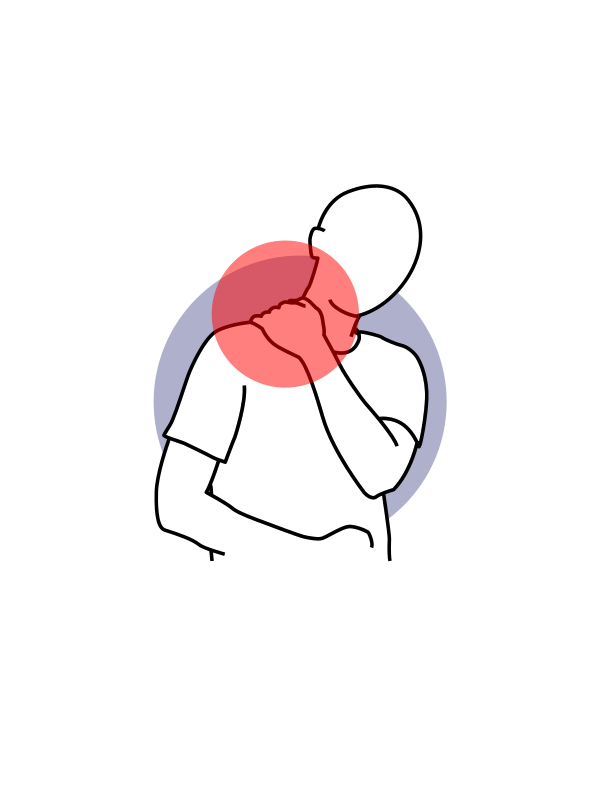
Massage for Neck and Shoulder Pain in Tweed Heads
If your neck and shoulders are constantly tight — and you've already tried stretching, heat packs, and ignoring it — the problem isn't that you haven't found the right stretch. It's that the thing causing the tension is still there every day.
Health Fund Rebates Available
Wednesday to Saturday
Tweed Heads South
Why Neck and Shoulder Pain Keeps Coming Back
Desk work, screen time, and prolonged sitting create a predictable set of muscular patterns. The head drifts forward. The chest tightens. The upper back stops moving properly. The muscles at the back of the neck and across the top of the shoulders pick up the load — and they never really get to put it down.
It's one of the most consistent presentations James sees in clinic. Office workers commuting daily to the Gold Coast. Nurses and aged care workers across the Northern Rivers spending shifts leaning, lifting, and supporting patients — loading the neck and upper back simultaneously.
Stretching helps temporarily because it creates a brief change in length. But the posture driving the tension is unchanged an hour later. The muscles load back up and the tightness returns.
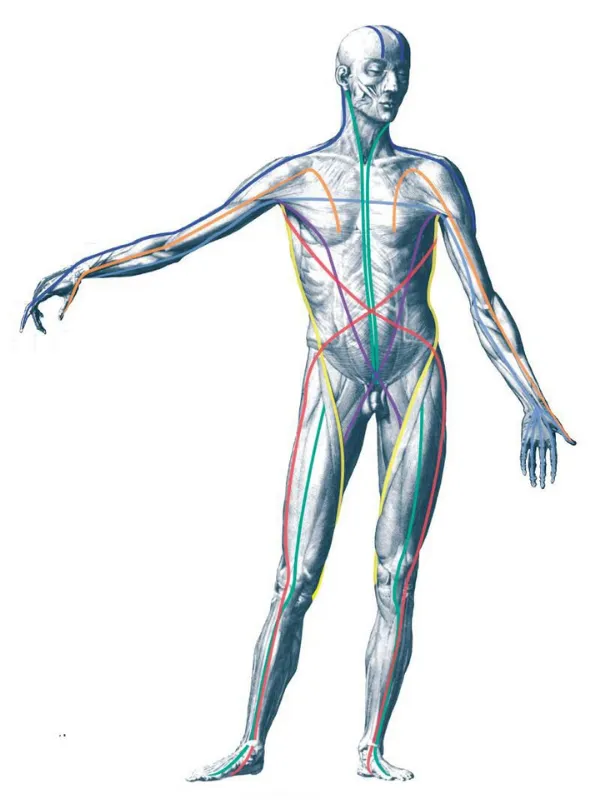
This is why treatment that only works on where it hurts produces short-term results. The upper traps are tight because of what's happening at the chest, the thoracic spine, and the way the head is sitting over the shoulders. Treating the whole pattern is what produces lasting change.
Check Yourself Before You Book
These aren't diagnostic tests — but they give you a clearer picture of what's happening in your body.
Chin tuck test Stand with your back against a wall. Heels, glutes, and upper back touching the wall. Now try to get the back of your head to touch the wall without tilting your chin up. If you can't — or if there's significant tension — your head is likely sitting forward of where it should be. This is forward head posture, and it's one of the most common drivers of chronic neck tension.
Shoulder range of motion Stand naturally and raise one arm straight overhead. Does it go fully vertical, or does it stop short and pull? Now try the other side. A difference between sides — or restriction on both — often points to thoracic stiffness or chest tightness limiting shoulder movement.
Neck rotation Sit upright and turn your head slowly to the right, then the left. Is one side noticeably tighter or does movement stop earlier on one side? Restricted rotation often points to tightness in the SCM, scalenes, or upper traps — muscles that respond well to targeted remedial work.
If any of these reveal something, bring it to your first session. James will assess the same things — and more — before treatment begins.
What's Actually Driving Your Pain
Neck and shoulder pain from postural and muscular causes typically involves several of these patterns working together:
Forward head posture increasing load on the cervical spine and posterior neck muscles
Upper trapezius overactivation from sustained desk or screen work
Chest and pectoral tightness pulling the shoulders forward and restricting thoracic movement
Thoracic stiffness reducing mid-back mobility and forcing the neck to compensate
Suboccipital tension at the base of the skull — often the source of tension headaches
Scalene and SCM tightness contributing to restricted rotation and referred pain into the arm
For desk workers and administrators in the area, it's usually forward head posture and upper trap dominance built up over years of screen work. For nurses and aged care workers across the Northern Rivers, it's often sustained leaning postures combined with the physical demands of patient handling.
How Remedial Massage Helps
Treatment targets the pattern, not just the painful area.
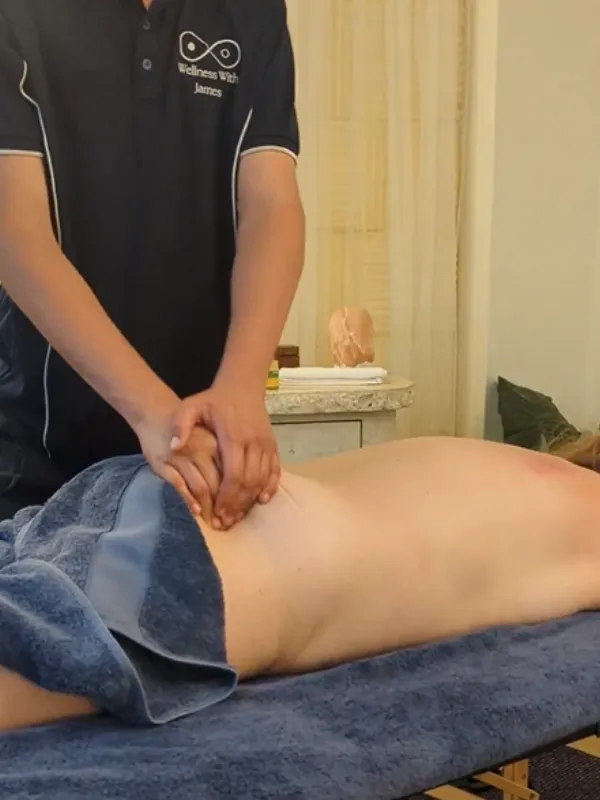
That typically means working through the upper back and thoracic spine to restore movement that's been lost, releasing the chest and pectoral muscles pulling the shoulders forward, and then addressing the neck and shoulder muscles that have been overworking as a result.
For most people with chronic desk-related tension, treating the neck alone is the reason previous massage didn't hold. The tissue that needed releasing was upstream.
Depending on what James finds in your assessment, treatment may include:
Remedial massage to address the muscular patterns driving tension through the neck and upper back
Myofascial release for deeper connective tissue restrictions around the chest and thoracic spine
Trigger point therapy targeting the upper traps, suboccipitals, and scalenes that refer pain into the neck and head
Dry needling for stubborn trigger points that aren't releasing with manual work alone
Cupping therapy to broaden treatment across the upper back and improve circulation through restricted regions
Postural and range of motion assessment to identify the pattern driving the problem
Personalised mobility and postural guidance based on what was found in your session
The Assessment-First Approach
Before any treatment begins, James assesses your posture and range of motion. For neck and shoulder pain, this means looking at how your head sits over your shoulders, how your thoracic spine moves, and where rotation and elevation are restricted.
That information determines where treatment starts — which is often not where the pain is.
Private Health Fund Rebates
Private health fund rebates are available — claim on the spot. James is a registered member of the Australian Natural Therapists Association (ANTA), recognised by all major Australian health funds. If you have extras cover that includes remedial massage, you can claim your rebate at the time of payment. Check your fund for your specific entitlements before booking.
Related Services
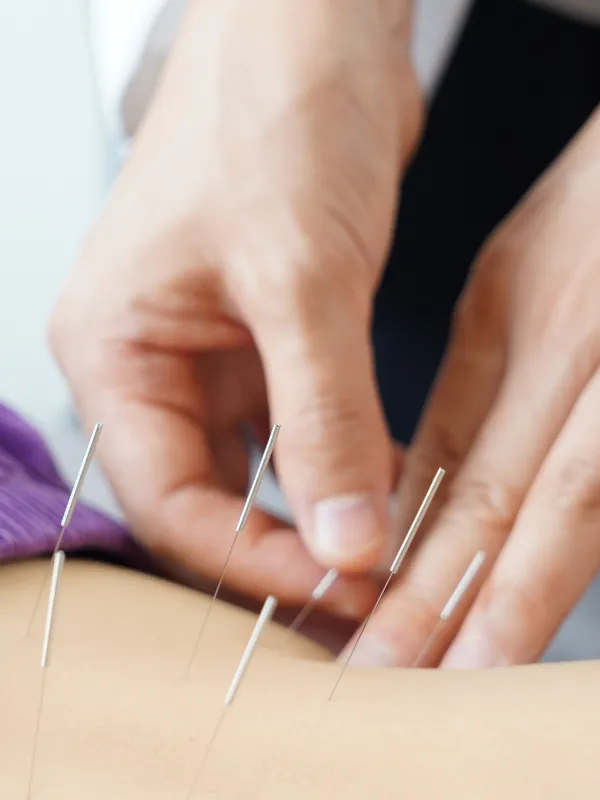
Neck and shoulder pain is one of the most common presentations of active trigger points. Targeted release of the upper traps, suboccipitals, and scalenes produces fast, specific results.

Book Remedial Massage Therapy in Tweed Heads
Ready to book? Select your session below and choose a time that suits you. It only takes a minute.